
Should You Paint or Stain Your Deck? What Missouri Homeowners Should Know
This is a subtitle for your new post

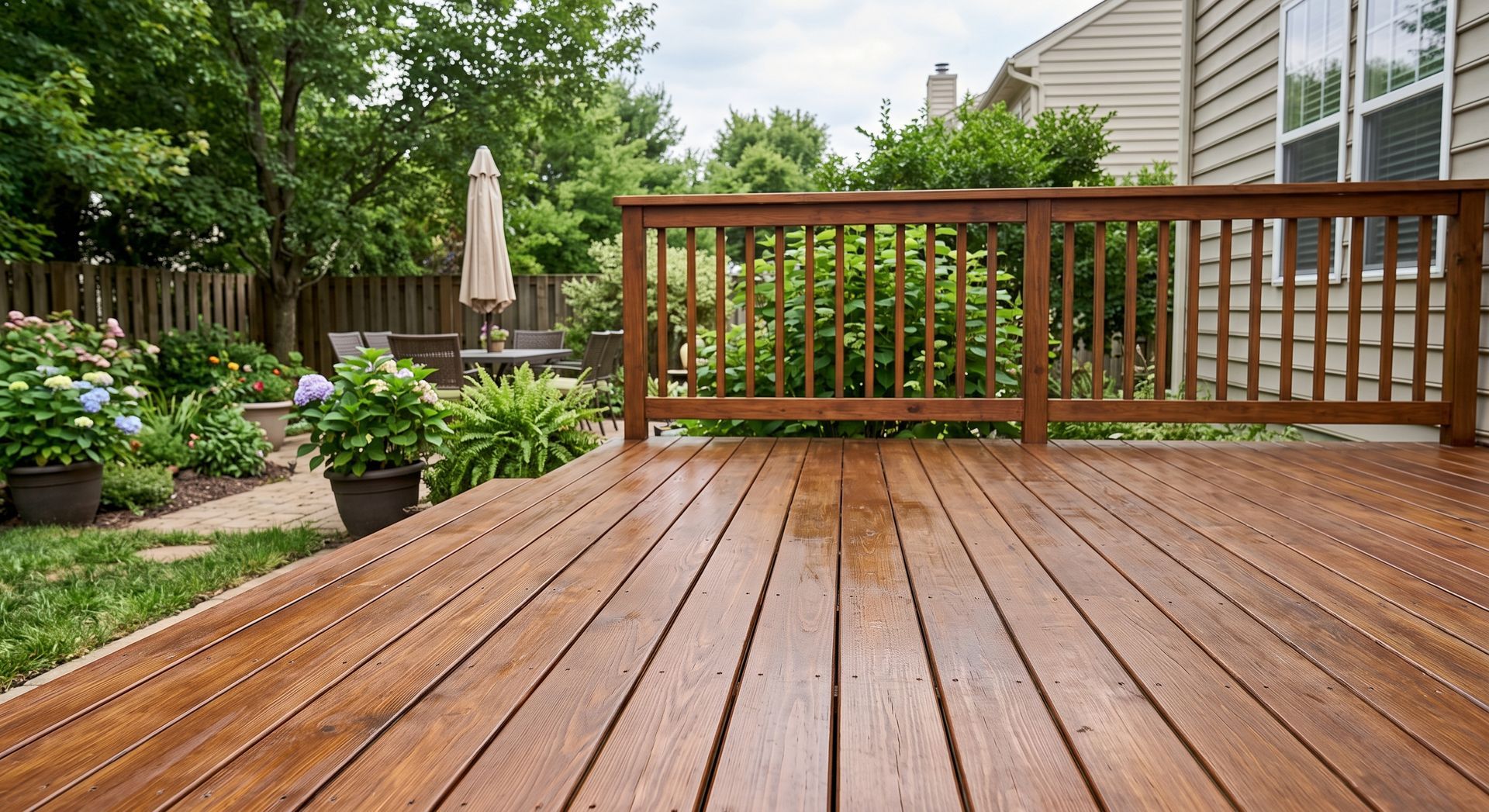
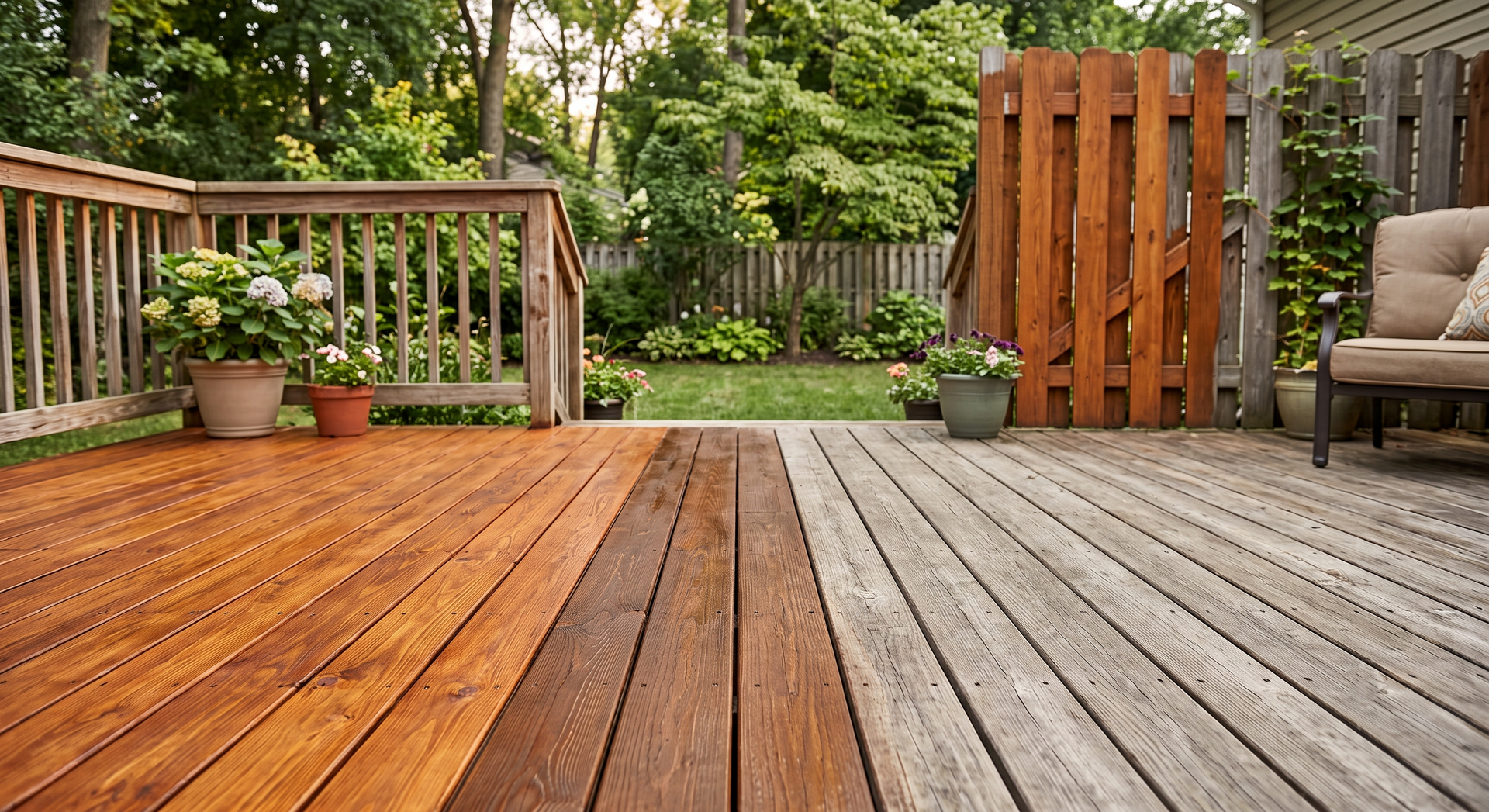
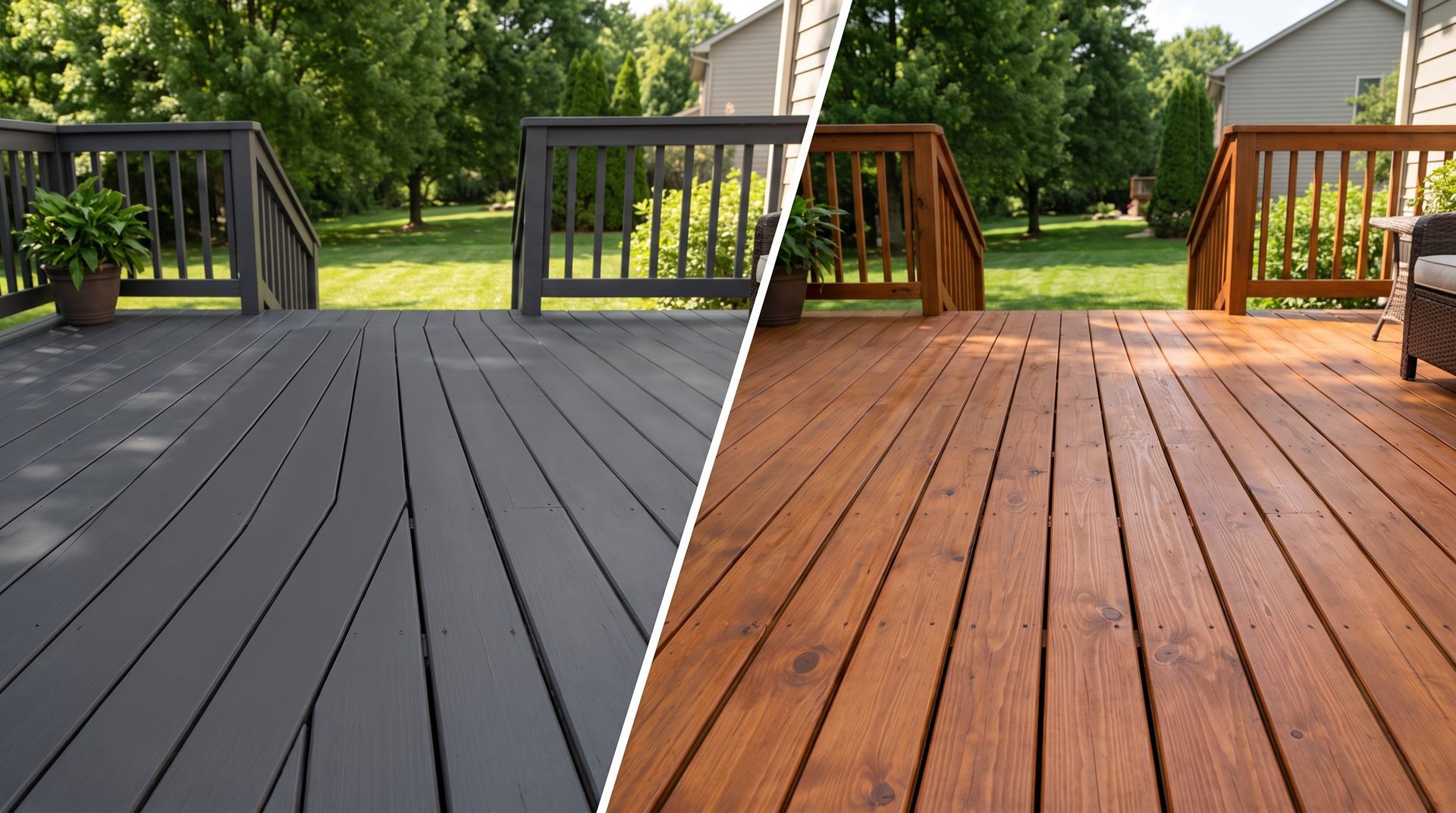
For most Missouri homeowners who want to preserve the natural character of a wood deck, staining is often the better choice than painting. Stain penetrates or bonds closely with the wood, can highlight its grain, and is generally easier to maintain when the finish eventually wears. Paint provides more color choices and an opaque appearance, but peeling or cracking can make future maintenance more involved.
The right answer ultimately depends on your deck's condition, appearance, previous coatings, sun exposure, and how much maintenance you're willing to perform.
In Warrensburg, MO, that decision is particularly important. Decks must deal with summer heat, moisture, rain, freezing temperatures, and significant seasonal changes. Choosing an appropriate finish—and preparing the wood correctly before applying it—can help your deck stay attractive and protected for much longer.
What's the Main Difference Between Painting and Staining a Deck?
A deck is one of the most exposed wood structures on a property.
Unlike vertical siding, horizontal deck boards receive direct sunlight, rain, foot traffic, dirt, leaves, furniture movement, and standing moisture. In Missouri, those surfaces also experience considerable seasonal temperature changes.
Wood naturally responds to changing moisture levels. When it repeatedly absorbs and releases moisture, boards can swell, shrink, crack, warp, or split over time.
A suitable exterior wood stain helps protect the surface while maintaining the character that makes a wood deck attractive in the first place.
For Warrensburg homeowners who already like the appearance of their deck's wood, staining can provide a practical balance between protection and aesthetics.
Internal link opportunity: [Stratton Painting LLC – https://www.strattonpaintingmo.com]
What Are the Advantages of Staining a Deck?
Staining has several advantages that make it worth considering before you reach for exterior paint.
1. Stain Can Preserve the Natural Wood Appearance
One of stain's biggest advantages is the ability to keep wood grain visible.
Transparent and semi-transparent products can add color without completely covering:
- Grain patterns
- Knots
- Natural variations
- Wood texture
This can be particularly attractive on decks where the lumber itself is part of the design.
If you want a natural, rustic, or traditional outdoor appearance, stain is often easier to integrate into the overall property.
2. You Can Choose Different Levels of Coverage
Deck stain isn't a single type of finish.
Depending on the product and condition of the deck, homeowners can choose from options such as:
- Transparent stains
- Semi-transparent stains
- Semi-solid stains
- Solid-color stains
A newer deck with attractive wood grain might be suited to a more transparent finish. An older deck with cosmetic inconsistencies may benefit from greater color coverage.
This flexibility allows the finish to match both the condition of the wood and the homeowner's design goals.
3. Future Maintenance Can Be More Straightforward
Every exterior deck coating eventually needs maintenance.
When stain begins wearing on horizontal boards, renewing the finish can often be more straightforward than dealing with a heavily peeling painted surface. The exact process depends on the stain previously used, its condition, and the new product being applied.
That doesn't mean stains are maintenance-free.
It means the maintenance cycle may be better suited to an outdoor wood surface that naturally expands, contracts, and experiences heavy wear.
4. Stain Can Complement Other Exterior Materials
Wood tones pair naturally with many common home exterior materials, including:
- Brick
- Stone
- Neutral siding
- White trim
- Gray siding
- Natural landscaping
A stained deck can therefore become a transition between the house and surrounding yard rather than competing visually with the exterior.
What Are the Advantages of Painting a Deck?
Paint has benefits too, and there are situations where an opaque finish may be preferred.
1. More Color Freedom
Paint gives you significantly more freedom if your design goal involves a specific color.
Instead of working primarily with natural wood tones, you may choose colors that coordinate with:
- Siding
- Trim
- Railings
- Exterior doors
- Other architectural elements
For homeowners who want a uniform or highly customized appearance, that can be appealing.
2. Paint Hides the Wood Grain
This is either an advantage or disadvantage depending on your goal.
If you don't like the appearance of the underlying wood, an opaque coating can create a more consistent visual surface.
However, homeowners should understand that hiding cosmetic inconsistencies doesn't correct structural problems. Rotten, severely cracked, or unstable boards still require proper repair or replacement.
3. An Opaque Finish Can Create a Distinct Design
Some decks are designed as architectural extensions of the home rather than natural wood features.
An opaque coating can help create that effect, particularly on:
- Railings
- Posts
- Decorative elements
- Covered porch components
In some projects, homeowners may even choose a combination of finishes rather than treating every component identically.
Paint vs Stain Deck Comparison
Here's a practical comparison for Missouri homeowners:
| Factor | Deck Stain | Deck Paint/Opaque Coating |
|---|---|---|
| Natural grain visibility | Can remain visible | Usually hidden |
| Color selection | Moderate to broad | Very broad |
| Natural wood appearance | Excellent | Limited |
| Surface preparation | Essential | Essential |
| Future maintenance | Often simpler | Can involve more coating removal if peeling occurs |
| Best suited for | Homeowners wanting a wood appearance | Homeowners wanting an opaque color |
| Weather exposure | Product and prep matter greatly | Product and prep matter greatly |
Neither option eliminates maintenance. A deck remains an exterior horizontal surface exposed to demanding conditions regardless of the finish selected.
How Does Missouri Weather Affect the Decision?
Missouri weather is one of the strongest reasons to think carefully about deck coatings.
Summer Sun
Direct sunlight can fade coatings and dry exposed wood.
Decks without shade may experience particularly intense exposure during summer afternoons. UV-resistant exterior products can help, but no finish lasts indefinitely.
Humidity and Rain
Moisture is one of wood's biggest enemies.
If water repeatedly penetrates exposed boards, the wood may experience:
- Swelling
- Cracking
- Splitting
- Mildew growth
- Decay
A protective finish helps reduce exposure, but good drainage and regular maintenance remain important.
Winter Conditions
Cold temperatures and moisture can create additional stress.
When wood absorbs moisture and temperatures drop, seasonal freeze-thaw conditions can contribute to deterioration over repeated cycles.
Rapid Weather Changes
Missouri doesn't always transition gradually between seasons. Temperature and humidity can change substantially, requiring exterior materials to cope with repeated movement.
This is why a deck finish should be chosen for performance, not simply for how it looks immediately after application.
Should You Stain a New Deck Immediately?
Usually, you should first determine whether the wood is ready to accept stain.
New pressure-treated lumber may contain considerable moisture. Applying a finish before the wood is sufficiently dry can interfere with absorption and performance.
The appropriate waiting period isn't universal. It depends on:
- Type of lumber
- Moisture content
- Weather exposure
- Storage conditions
- Product requirements
Rather than relying on a fixed number of weeks or months, evaluate the wood and follow the coating manufacturer's instructions.
A professional can also assess whether the deck is ready for preparation and staining.
Can You Stain Over a Previously Painted Deck?
This is where deck refinishing becomes more complicated.
If a deck is currently painted, you generally can't simply apply a penetrating stain directly over intact paint and expect it to behave like a stain on bare wood.
Existing coatings may need to be:
- Cleaned
- Scraped
- Sanded
- Stripped
- Otherwise prepared
The required process depends on the condition and type of existing coating.
Before changing from paint to stain, have the deck inspected. The amount of coating removal required can significantly affect the scope of the project.
Can You Paint Over a Stained Deck?
Potentially, but preparation is again critical.
The existing stain, wood condition, adhesion, moisture level, and compatibility with the new coating all need consideration.
Simply covering an old finish without evaluating it can create problems later.
A professional deck refinishing project should begin with identifying what's already on the surface rather than assuming every old deck can be treated the same way.
Surface Preparation Matters More Than Most Homeowners Realize
Whether you choose stain or an opaque coating, poor preparation can undermine the project.
A typical deck may accumulate:
- Dirt
- Pollen
- Algae
- Mildew
- Loose coating
- Weathered wood fibers
- Grease from outdoor cooking
- Organic debris
Putting a new finish over contaminants doesn't solve the underlying problem.
Depending on the deck, preparation may include cleaning, appropriate washing, scraping, sanding, repairs, and sufficient drying.
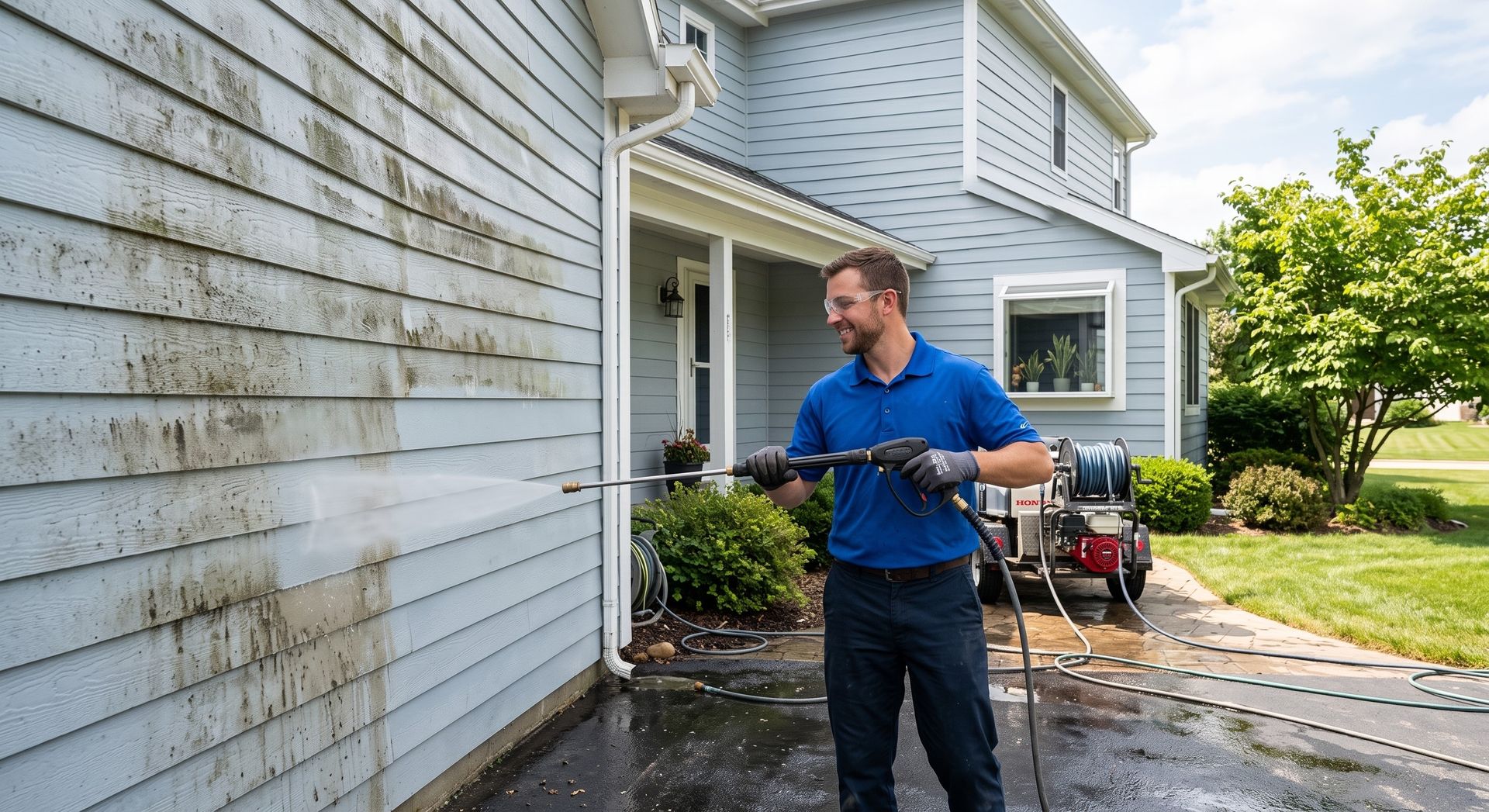
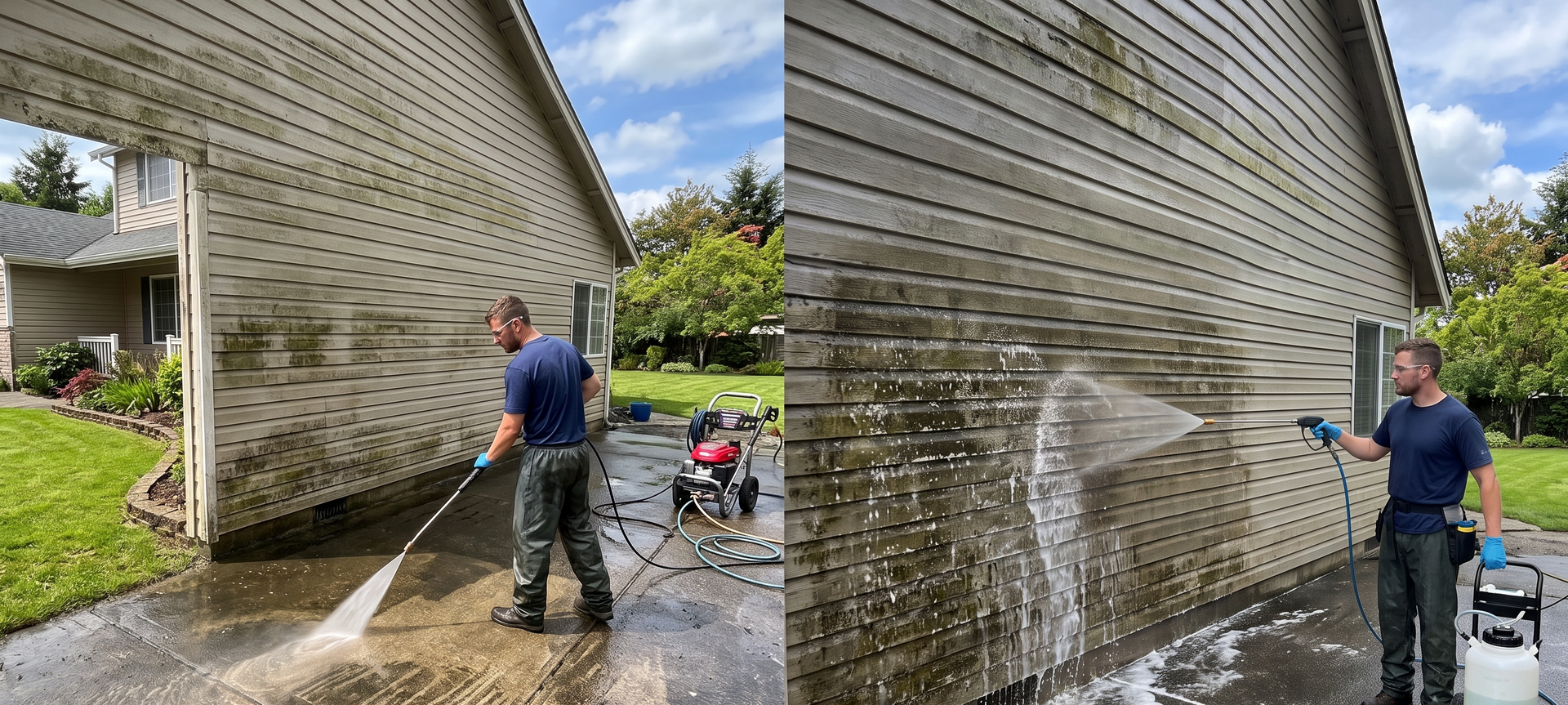
Stratton Painting LLC also offers pressure washing, which can support exterior surface preparation when the method is appropriate for the material.
Internal link opportunity: [Pressure Washing Services –
https://www.strattonpaintingmo.com/pressure-washing]
Should You Pressure Wash a Deck Before Staining?
Cleaning before staining is important, but more pressure isn't necessarily better.
Wood can be damaged by excessive water pressure. An aggressive stream can raise or tear wood fibers, leave visible marks, or create an uneven surface.
The objective is to clean the deck without damaging it.
After wet cleaning, the wood also needs sufficient time to dry before the stain is applied. Trapping excess moisture beneath a coating can compromise results.
This is another reason professional preparation can be valuable.
What Type of Stain Is Best for Your Deck?
The right stain depends on the deck's age, condition, existing finish, and desired appearance.
Transparent Stain
Transparent products preserve the greatest amount of natural grain visibility.
They're best considered when the wood itself is attractive and relatively consistent.
Semi-Transparent Stain
Semi-transparent stains adds more color while allowing much of the wood character to remain visible.
It's a popular middle ground for homeowners who want both natural appearance and noticeable color.
Solid-Color Stain
Solid stain provides significantly greater color coverage and hides much of the wood grain.
It may be considered when homeowners want a more uniform appearance while using a coating formulated for exterior wood.
Product performance varies, so always follow the specific manufacturer's application and maintenance instructions.
How Do You Know When a Deck Needs to Be Refinished?
Don't wait for the deck to become severely deteriorated.
Watch for signs such as:
- Noticeable fading
- Uneven color
- Bare or worn traffic paths
- Water soaking readily into boards
- Peeling or flaking coatings
- Splintering
- Cracking
- Mildew or algae buildup
Early maintenance can be easier than waiting until extensive preparation or wood repairs are required.
Paint or Stain: Which Is Easier to Maintain?
For many homeowners, stain is attractive because the maintenance cycle can be manageable, particularly when the deck has been consistently maintained.
Painted horizontal deck surfaces can become more labor-intensive when the coating begins peeling extensively.
However, the real maintenance burden depends on:
- Previous preparation
- Product quality
- Application
- Exposure
- Foot traffic
- Drainage
- Maintenance history
There's no coating that allows homeowners to permanently forget about an exterior wood deck.
Don't Choose Based on Price Alone
It's tempting to choose the least expensive product or refinishing option.
But the initial material cost is only one part of the investment.
Consider:
- Preparation requirements
- Repairs
- Application labor
- Expected maintenance
- Future refinishing
- Desired appearance
A cheaper coating that requires extensive corrective work later may not be the better value.
DIY Deck Staining vs Professional Deck Staining
Staining a deck looks simple until you're working around railings, stairs, corners, posts, landscaping, and boards that absorb product differently.
Common DIY problems include:
- Inadequate cleaning
- Staining before the wood is dry
- Applying too much product
- Uneven lap marks
- Missing edges
- Choosing an incompatible coating
- Failing to address damaged wood first
A professional can evaluate the existing surface and build the preparation process around its actual condition.
For homeowners searching for deck staining in Warrensburg, MO, Stratton Painting LLC provides deck and fence staining as part of its exterior service offerings.
Internal link opportunity: [Stratton Painting LLC – https://www.strattonpaintingmo.com]
What About Fences?
Many of the same considerations apply to wood fences.
However, fences are primarily vertical surfaces, so they experience weather differently from horizontal deck boards.
If you're already planning a deck staining project, it may make sense to evaluate your fence at the same time.
Coordinating the colors can create a more consistent outdoor appearance, particularly when the deck and fence are visually close to one another.
FAQs About Painting vs Staining a Deck
Is it better to paint or stain a deck in Missouri?
For homeowners who want to maintain the natural appearance of wood and simplify future maintenance, stain is often an excellent option. However, the best choice depends on the existing coating, wood condition, exposure, and desired appearance.
Does deck stain prevent wood from rotting?
Stain can help protect wood against moisture exposure, but it cannot repair existing rot or guarantee that decay will never occur. Good drainage, repairs, cleaning, and regular inspections remain important.
How often should I restain my deck?
There's no universal schedule. Horizontal surfaces usually show wear before vertical components, and decks with strong sun exposure or heavy foot traffic may need attention sooner. Inspect the finish regularly rather than relying solely on a calendar.
Can I stain my deck without cleaning it first?
You shouldn't apply stains over a dirty or contaminated surface. Dirt, mildew, old loose coatings, and weathered material can interfere with the appearance and performance of the new finish.
Can Stratton Painting LLC stain both decks and fences?
Yes. Deck and fence staining is one of the services Stratton Painting LLC offers to customers in Warrensburg, MO and surrounding communities.
Protect Your Deck Before Missouri Weather Takes Its Toll
So, should you paint or stain your deck?
For many Warrensburg homeowners, staining is an excellent choice when the goal is to protect exterior wood while preserving some or all of its natural character. Paint or other opaque coatings can be appropriate when a uniform color is the priority, but the existing finish and long-term maintenance requirements should be considered first.
The most important decision isn't simply paint versus stain. It's making sure the deck is properly inspected, cleaned, prepared, dried, and coated with a product suited to the surface.
If your deck is faded, weathered, or due for maintenance, Stratton Painting LLC can help evaluate its condition and provide professional deck and fence staining in Warrensburg and surrounding communities.
Call: (660) 221-2047
Email: jstrattonjr@gmail.com
Website: [Stratton Painting LLC – https://www.strattonpaintingmo.com]
CTA Recommendation: Encourage visitors to request a deck staining estimate before peak outdoor season, especially if the existing finish is fading or allowing water to readily absorb into the wood.